
 Laura de Santiago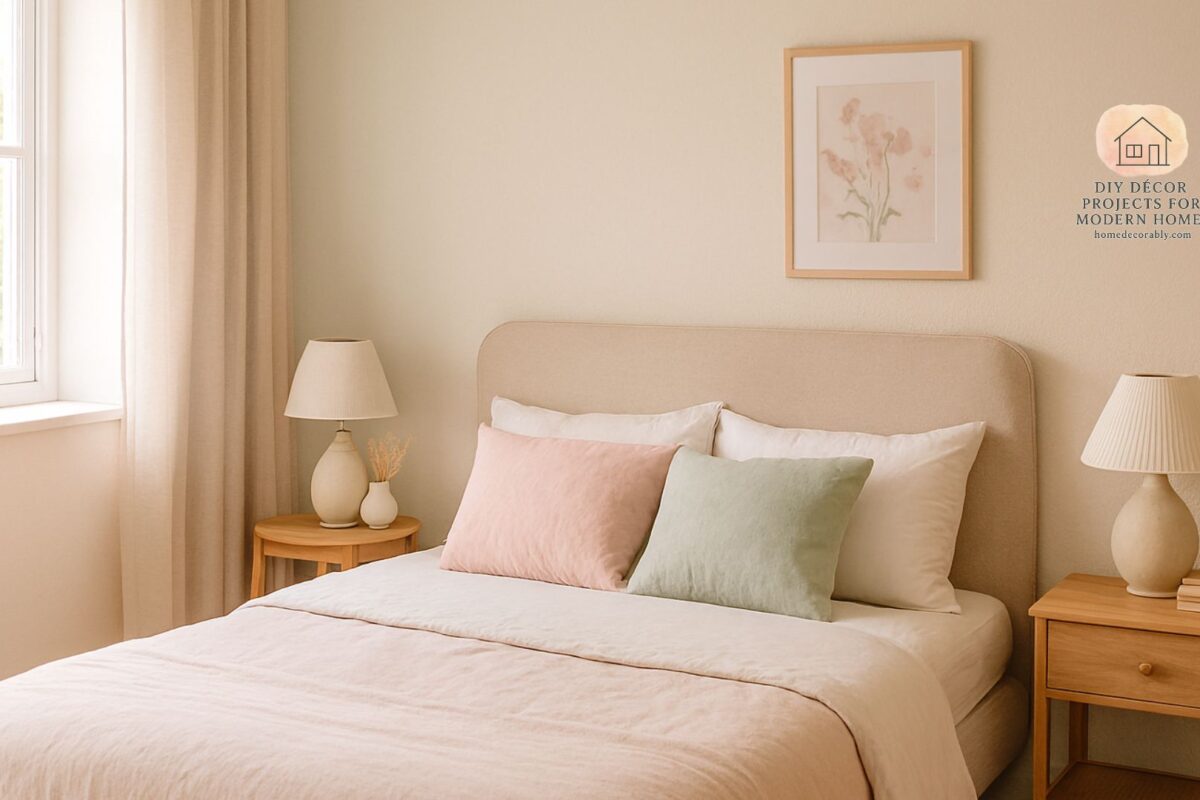
Discovering the Best Bedroom Colors for Small Rooms
When decorating a compact space, choosing the best bedroom colors for small rooms can make all the difference. The right shades not only enhance the perception of space but also create a calming atmosphere that makes your bedroom feel inviting. Small bedrooms often pose challenges, yet with thoughtful color selection, you can maximize light, depth, and comfort.
Color psychology plays a vital role in bedroom decor. Soft hues, neutral tones, and strategic accents can visually expand a room, while darker shades may add intimacy without overwhelming the space. By understanding how colors interact with light and furniture, you can design a bedroom that feels both stylish and spacious.
The Power of Light Neutrals in Small Bedrooms
Neutral tones such as whites, creams, and light grays remain timeless choices for small bedrooms. These shades reflect natural light, making the room appear larger and brighter. A soft white wall paired with minimalist furniture creates a clean, airy environment that feels uncluttered.
Moreover, neutrals provide a versatile backdrop for layering textures and accents. You can introduce pops of color through bedding, rugs, or artwork without overwhelming the space. This flexibility allows you to refresh your decor easily while maintaining a spacious feel.
Soft Pastels for a Gentle Ambiance
Pastel shades like blush pink, mint green, or powder blue bring a gentle touch to small rooms. These colors evoke calmness and serenity, perfect for creating a restful environment. Pastels also add personality without being overpowering, making them ideal for compact spaces.
Pairing pastels with white trim or light wood furniture enhances their effect. For example, a mint green wall with white bedding creates a refreshing look that feels both modern and soothing. Pastels can also be layered with neutral tones to balance vibrancy and subtlety.
Cool Blues and Greens for Relaxation
Cool tones such as sky blue, teal, and sage green are excellent for small bedrooms. These shades promote relaxation and mimic natural elements like water and foliage, which can make a room feel more open. Blue walls paired with crisp white linens create a coastal-inspired retreat.
Green tones, especially sage or olive, add warmth while maintaining a calming vibe. They work well with natural materials like rattan or linen, reinforcing a connection to nature. Cool colors also pair beautifully with metallic accents, adding sophistication to compact spaces.
Warm Earth Tones for Cozy Comfort
While light shades expand space visually, warm earth tones like terracotta, beige, and soft taupe can make small bedrooms feel cozy and inviting. These colors add depth without overwhelming the room, creating a balanced atmosphere.
Earth tones pair well with natural textures such as wood, stone, or woven fabrics. A taupe wall with a wooden headboard and linen bedding creates a harmonious look that feels grounded. Warm shades also complement layered lighting, enhancing the intimate feel of a small bedroom.
Accent Walls for Visual Interest
Accent walls offer a creative way to introduce bold colors without shrinking the room. By painting one wall in a deeper shade such as navy, charcoal, or forest green you can add dimension while keeping the overall space light.
Accent walls work best when balanced with neutral surroundings. For instance, a navy accent wall behind the bed can serve as a focal point, while the remaining walls stay light to maintain openness. This technique adds personality without compromising spaciousness.
Monochromatic Color Schemes for Harmony
A monochromatic scheme uses varying shades of the same color to create harmony. For small bedrooms, this approach prevents visual clutter and enhances cohesion. For example, layering different shades of gray from light silver to charcoal creates depth while maintaining simplicity.
Monochromatic palettes also allow you to experiment with textures. A light gray wall, darker gray bedding, and metallic accents can create a sophisticated look. This method ensures the room feels unified, making it appear larger and more organized.
Strategic Use of Dark Colors
Contrary to popular belief, dark colors can work in small bedrooms when used strategically. Deep shades like navy, charcoal, or emerald green add drama and intimacy. The key lies in balancing them with lighter elements such as white bedding, mirrors, or metallic accents.
Dark colors can also highlight architectural features. For example, painting the ceiling a darker shade can create a cocoon-like effect, making the room feel cozy rather than cramped. When paired with layered lighting, dark tones add elegance without overwhelming the space.
Incorporating Color Through Decor
Wall paint isn’t the only way to introduce color. Bedding, curtains, rugs, and artwork can all contribute to the overall palette. For small bedrooms, using decor to add color allows flexibility and prevents permanent commitments.
For instance, neutral walls paired with colorful throw pillows or patterned rugs can refresh the space instantly. Seasonal changes become easier, as you can swap accessories to match trends or moods without repainting. This approach keeps the room dynamic and adaptable.
Balancing Colors with Lighting
Lighting plays a crucial role in how colors appear. Natural light enhances lighter shades, while artificial lighting can alter tones significantly. Warm lighting complements earth tones, while cool lighting enhances blues and grays.
In small bedrooms, layered lighting such as ceiling fixtures, bedside lamps, and wall sconces ensures colors remain vibrant and balanced. Mirrors can also amplify light, making the room feel larger and brighter. By considering lighting alongside color, you create a cohesive and inviting atmosphere.
Final Thoughts on Choosing the Best Bedroom Colors for Small Rooms
Selecting the best bedroom colors for small rooms requires balancing aesthetics with functionality. Light neutrals expand space, pastels add softness, cool tones promote relaxation, and warm shades create coziness. Accent walls, monochromatic schemes, and strategic dark colors provide creative options for personalization.
Ultimately, the right color palette transforms a small bedroom into a stylish retreat. By combining thoughtful color choices with lighting and decor, you can maximize space while reflecting your personality. Small rooms may be limited in size, but with the right colors, they can feel limitless in charm.