
 Laura de Santiago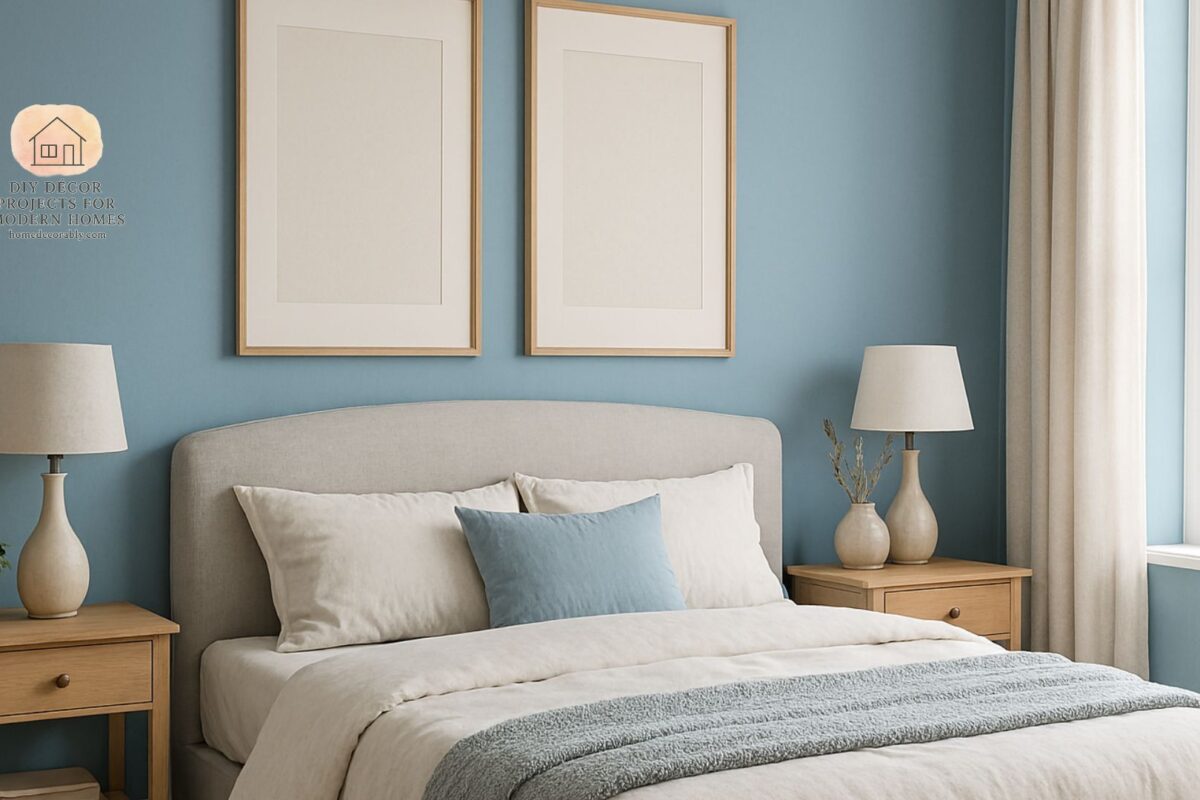
Understanding the Bedroom Color Psychology Guide
Colors have a profound impact on our emotions, and nowhere is this more important than in the bedroom. This bedroom color psychology guide explores how different shades influence mood, sleep quality, and overall well-being. By understanding the psychology behind colors, you can transform your bedroom into a sanctuary that reflects your personality while enhancing relaxation and energy.
The bedroom is more than just a place to sleep; it is a personal retreat. Choosing the right color palette can help you unlock feelings of calm, passion, or creativity. With the right hues, you can set the tone for restful nights and energized mornings.
The Science Behind Bedroom Colors and Mood
Psychologists and interior designers agree that colors affect the brain in subtle yet powerful ways. Warm tones like red and orange stimulate energy, while cool shades such as blue and green promote tranquility. This bedroom color psychology guide emphasizes that your choice of paint or décor can directly influence your emotional state.
Moreover, studies show that color perception is linked to cultural associations and personal experiences. For example, while white may symbolize purity in one culture, it may represent emptiness in another. Understanding these nuances helps you design a bedroom that truly resonates with your lifestyle.
Blue Bedrooms: Calmness and Serenity
Blue is often considered the most soothing color for bedrooms. It lowers blood pressure, slows heart rate, and encourages relaxation. A soft sky blue or deep navy can create a peaceful environment ideal for sleep.
In addition, blue tones are associated with stability and trust. Incorporating blue bedding, curtains, or accent walls can help reduce stress and promote emotional balance. This makes blue a top recommendation in any bedroom color psychology guide.
Green Bedrooms: Balance and Renewal
Green represents nature, growth, and renewal. It is a versatile color that brings harmony and balance to the bedroom. Shades of sage or olive can create a grounding effect, while brighter greens add freshness.
Because green is linked to health and vitality, it is perfect for individuals seeking rejuvenation. Adding plants or green décor elements enhances the natural vibe, making your bedroom feel like a restorative retreat.
Red Bedrooms: Passion and Energy
Red is bold, stimulating, and full of passion. It increases energy levels and can spark excitement. However, in a bedroom setting, red should be used carefully. Too much red may feel overwhelming and disrupt sleep.
Accent walls, throw pillows, or artwork in red can add warmth without overpowering the space. This bedroom color psychology guide suggests using red strategically to inspire romance and vitality.
Yellow Bedrooms: Happiness and Optimism
Yellow is the color of sunshine, symbolizing joy and optimism. It can brighten up a bedroom and create a cheerful atmosphere. Pale yellows are soothing, while brighter shades energize the space.
However, too much yellow may cause restlessness. Balance is key combine yellow with neutral tones to maintain harmony. This approach ensures your bedroom feels uplifting without being overstimulating.
Purple Bedrooms: Luxury and Creativity
Purple has long been associated with royalty, luxury, and imagination. Deep purples evoke sophistication, while lighter shades like lavender promote calmness.
For creative individuals, purple stimulates inspiration and artistic thinking. Incorporating purple accents in bedding or wall art can add elegance and depth to your bedroom design.
White Bedrooms: Simplicity and Purity
White symbolizes cleanliness, simplicity, and openness. It creates a sense of spaciousness and clarity, making small bedrooms appear larger.
While an all-white bedroom may feel sterile, combining it with textures and warm accents can make the space inviting. This bedroom color psychology guide highlights white as a versatile base color that pairs well with any accent shade.
Gray Bedrooms: Sophistication and Neutrality
Gray is a modern favorite, offering sophistication and neutrality. It provides a balanced backdrop that allows other colors to shine.
Light gray tones promote calmness, while darker shades add drama. Pairing gray with vibrant accents can prevent the room from feeling dull. This makes gray an excellent choice for minimalist bedroom designs.
Black Bedrooms: Elegance and Depth
Black is bold and dramatic, symbolizing elegance and mystery. When used correctly, it can create a luxurious and intimate atmosphere.
However, too much black may feel heavy. Combining black with lighter tones ensures balance and prevents the space from becoming oppressive. This bedroom color psychology guide recommends using black sparingly for maximum impact.
Tips for Choosing the Right Bedroom Color
Selecting the right bedroom color involves considering personal preferences, lifestyle, and emotional needs. Start by identifying the mood you want to create calmness, energy, or creativity.
Additionally, think about lighting and room size. Dark colors may make small rooms feel cramped, while lighter shades open up the space. Experiment with accent walls, décor, and textiles to achieve the perfect balance.
Conclusion
Your bedroom is a reflection of your inner world, and colors play a vital role in shaping that environment. This bedroom color psychology guide shows that every shade carries unique emotional power. By choosing colors intentionally, you can unlock moods that support relaxation, passion, or creativity. Ultimately, the right palette transforms your bedroom into a haven that nurtures both body and mind.
FAQs
1. What is the best color for promoting sleep? Blue is widely considered the best color for sleep because it promotes calmness and reduces stress.
2. Can bright colors like red or yellow work in bedrooms? Yes, but they should be used sparingly as accents to avoid overstimulation.
3. How do lighting conditions affect bedroom color psychology? Natural and artificial lighting can change how colors appear, influencing mood and perception.
4. Is white a good choice for small bedrooms? Absolutely. White creates a sense of openness and makes small spaces feel larger.
5. Should I follow trends or personal preference when choosing bedroom colors? Personal preference should always come first, but trends can inspire fresh ideas.