
 Laura de Santiago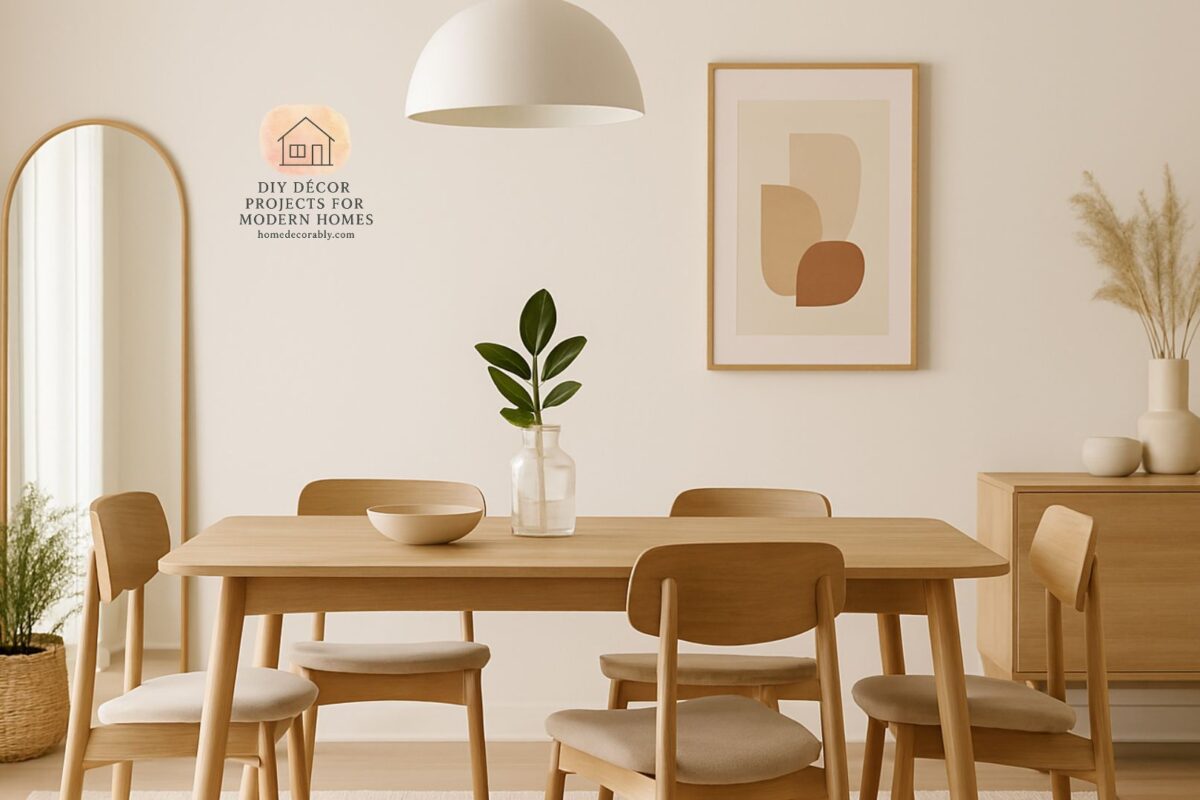
Minimalist dining room styling has become one of the most sought-after interior design approaches for homeowners who crave simplicity, elegance, and functionality. By focusing on clean lines, neutral palettes, and purposeful furniture, you can transform your dining area into a space that feels both modern and inviting. In this article, we’ll explore five powerful hacks that will instantly elevate your dining room, while also ensuring the design remains timeless and practical.
Why Minimalist Dining Room Styling Matters
Minimalist dining room styling is more than just a design trend it’s a lifestyle choice that emphasizes clarity, calmness, and intentional living. When you strip away clutter and focus on essentials, your dining space becomes a sanctuary where conversations flow freely and meals feel more meaningful. Moreover, minimalist design enhances functionality, making it easier to maintain and enjoy daily.
By adopting minimalist principles, you also create a versatile environment that adapts to different occasions. Whether it’s a casual family dinner or a formal gathering, a minimalist dining room can seamlessly accommodate both. Transitioning into this style doesn’t require a complete overhaul; instead, small, strategic changes can make a big impact.
Hack 1: Choose Neutral Color Palettes for Instant Calm
Neutral tones such as white, beige, gray, and soft earth shades are the foundation of minimalist dining room styling. These colors create a serene backdrop that highlights furniture and décor without overwhelming the senses. A neutral palette also makes your dining room appear larger and brighter, which is especially beneficial for smaller spaces.
To add depth, consider layering different shades of the same color family. For example, pair warm beige walls with light oak furniture and soft gray textiles. This subtle variation prevents the room from feeling flat while maintaining the minimalist aesthetic. Transitioning between tones ensures harmony and balance throughout the space.
Hack 2: Invest in Functional Furniture With Clean Lines
Minimalist dining room styling thrives on furniture that is both practical and visually appealing. Opt for dining tables and chairs with sleek silhouettes, avoiding ornate carvings or bulky designs. Materials like wood, glass, and metal work well in minimalist interiors, offering durability and timeless appeal.
Functionality should always guide your choices. Extendable dining tables, stackable chairs, or benches with hidden storage can maximize utility without compromising style. By prioritizing furniture that serves multiple purposes, you maintain the minimalist principle of “less but better.”
Hack 3: Embrace Natural Light and Simple Lighting Fixtures
Lighting plays a crucial role in minimalist dining room styling. Natural light enhances the openness of the space, so maximize windows by using sheer curtains or blinds that allow sunlight to filter through. If natural light is limited, strategically place mirrors to reflect brightness and create the illusion of a larger room.
For artificial lighting, choose fixtures with simple designs. Pendant lights with geometric shapes or sleek chandeliers can serve as focal points without overwhelming the room. Warm LED bulbs provide a cozy ambiance, ensuring your dining area feels inviting during evening meals.
Hack 4: Declutter and Curate Thoughtful Décor
Minimalist dining room styling emphasizes intentionality, which means every decorative piece should serve a purpose. Instead of filling shelves with random items, curate a few meaningful accents such as a ceramic vase, a framed artwork, or a sculptural centerpiece. These elements add personality without disrupting the minimalist flow.
Decluttering is equally important. Remove unnecessary items from the dining table and surrounding surfaces. A clean, uncluttered environment not only looks appealing but also reduces stress, allowing you to fully enjoy the dining experience.
Hack 5: Incorporate Textures for Warmth and Comfort
While minimalist dining room styling often relies on simplicity, textures can prevent the space from feeling sterile. Introduce soft textiles like linen tablecloths, cotton cushions, or wool rugs to add warmth. Natural materials such as wood grain, stone, or woven fibers bring tactile richness to the room.
Layering textures creates visual interest without adding clutter. For instance, pair a smooth glass dining table with rustic wooden chairs and a soft fabric runner. This combination balances sleekness with coziness, making the dining room both stylish and comfortable.
Hack 6: Use Greenery to Add Life and Freshness
Plants are an excellent way to enhance minimalist dining room styling. A single potted plant or a small arrangement of fresh greenery can breathe life into the space. Choose low-maintenance plants like succulents, snake plants, or peace lilies that thrive indoors.
Greenery not only adds color but also improves air quality, contributing to a healthier environment. Place plants strategically on the dining table, near windows, or in corners to create balance and harmony.
Hack 7: Create a Focal Point With Art or Statement Pieces
Minimalist dining room styling doesn’t mean eliminating all personality. A single piece of art or a statement décor item can serve as the focal point of the room. Whether it’s a large abstract painting, a sculptural light fixture, or a bold centerpiece, the key is to keep it simple yet impactful.
By limiting focal points to one or two items, you avoid visual clutter while still expressing individuality. This approach ensures the dining room feels curated and intentional.
Hack 8: Balance Symmetry and Space Planning
Symmetry is a powerful tool in minimalist dining room styling. Aligning chairs evenly around the table or placing décor items symmetrically creates a sense of order and calm. However, balance doesn’t always mean perfect symmetry sometimes asymmetry can add interest while maintaining harmony.
Space planning is equally critical. Ensure there’s enough room to move comfortably around the dining table. Avoid overcrowding with too many chairs or oversized furniture. A well-planned layout enhances both aesthetics and functionality.
Hack 9: Keep Technology Hidden but Accessible
In modern homes, technology often finds its way into dining spaces. Minimalist dining room styling encourages keeping devices hidden yet accessible. Consider built-in storage for speakers or discreet charging stations for phones. This ensures the dining room remains focused on dining and conversation rather than distractions.
By integrating technology seamlessly, you maintain the minimalist aesthetic while accommodating modern needs. This balance allows the dining room to remain timeless yet practical.
Hack 10: Personalize With Subtle Touches
Finally, minimalist dining room styling should reflect your personality. Subtle touches like custom tableware, family photographs in sleek frames, or handmade ceramics can make the space uniquely yours. The key is moderation personalization should enhance, not overwhelm, the minimalist design.
These personal elements ensure your dining room feels warm and inviting, rather than cold or impersonal. By carefully selecting meaningful accents, you create a space that resonates with your lifestyle.
Conclusion
Minimalist dining room styling is a transformative approach that combines simplicity, functionality, and elegance. By applying these hacks neutral palettes, functional furniture, natural light, curated décor, textures, greenery, focal points, symmetry, hidden technology, and personalization you can elevate your dining space instantly. The result is a room that feels calm, stylish, and welcoming, perfect for both everyday meals and special occasions.
FAQs
1. What colors work best for minimalist dining room styling? Neutral tones like white, beige, gray, and soft earth shades are ideal for creating a calm atmosphere.
2. How can I make a minimalist dining room feel cozy? Incorporate textures such as linen, wool, and natural wood, along with warm lighting and greenery.
3. Is minimalist dining room styling suitable for small spaces? Yes, minimalist design maximizes space by reducing clutter and using functional furniture.
4. Can I add bold décor to a minimalist dining room? Absolutely, but limit it to one or two statement pieces to avoid visual clutter.
5. How do I maintain a minimalist dining room long-term? Regularly declutter, keep décor intentional, and prioritize functionality in furniture and layout.