
 Laura de Santiago
Why Desk Depth for Ergonomics Matters in Home Office Design
Creating a productive home office begins with understanding the importance of desk depth for ergonomics. The right desk depth ensures that your posture remains healthy, your arms rest comfortably, and your eyes align naturally with your screen. Without proper desk dimensions, even the most stylish office decor can lead to discomfort, fatigue, and reduced productivity.
Moreover, when you combine ergonomic desk depth with thoughtful home office decor, you create a workspace that is both functional and inspiring. From lighting and seating to storage and aesthetics, every detail contributes to a balanced environment where efficiency and creativity thrive.
Choosing the Right Desk Depth for Ergonomics
Selecting the correct desk depth for ergonomics depends on your work habits and equipment. For example, if you use dual monitors, you’ll need more depth than someone working with a laptop. A depth of 24 to 30 inches is often recommended, as it allows enough space for screens, keyboards, and accessories without crowding.
Additionally, consider how your desk interacts with other elements of your office decor. A deeper desk may require more floor space, so balance functionality with aesthetics. By planning carefully, you can achieve both comfort and style.
Ergonomic Seating and Desk Depth Harmony
A chair and desk must work together to support your body. Adjustable chairs with lumbar support complement the desk depth for ergonomics by ensuring your arms rest at a natural angle. When your chair height aligns with your desk, you reduce strain on your shoulders and wrists.
Pairing ergonomic seating with the right desk depth also enhances the overall look of your office. Sleek chairs in neutral tones or bold colors can add personality while maintaining comfort.
Lighting That Complements Desk Depth for Ergonomics
Lighting plays a crucial role in home office decor. Natural light reduces eye strain, while task lighting ensures clarity during late hours. Position your desk so that light falls evenly across your workspace, avoiding glare on screens.
Desk lamps with adjustable arms are particularly useful when paired with the right desk depth for ergonomics. They allow you to direct light exactly where you need it, enhancing both functionality and style.
Storage Solutions That Enhance Ergonomic Desk Depth
Clutter can undermine even the most ergonomic setup. Storage solutions such as floating shelves, filing cabinets, and drawer organizers help maintain a clean workspace. When your desk depth is optimized, storage should complement rather than compete with your desk space.
For example, under-desk cabinets can provide storage without interfering with legroom. This balance ensures that your ergonomic desk depth remains effective while keeping your office decor streamlined.
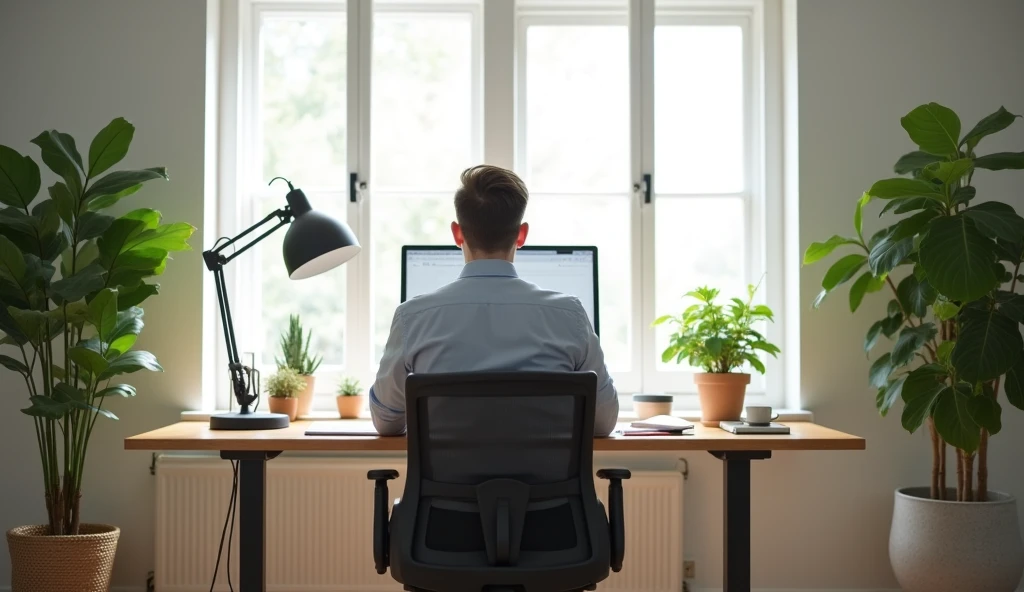
Color Psychology in Home Office Decor
Colors influence mood and productivity. Soft blues and greens promote calmness, while yellows and oranges inspire creativity. When choosing colors, consider how they interact with your desk depth for ergonomics.
For instance, a deep desk in a darker wood finish pairs beautifully with light-colored walls, creating contrast and visual interest. Meanwhile, minimalist white desks blend seamlessly with bold accent walls.
Personalizing Your Workspace with Ergonomic Awareness
Personal touches make your office feel inviting. Plants, artwork, and decorative items add character, but they should never interfere with your ergonomic setup. Place decor strategically so that your desk depth remains functional.
A small plant on the corner of your desk or framed art on the wall can inspire creativity without cluttering your workspace. This balance ensures that personalization enhances rather than detracts from ergonomics.
Technology Integration and Desk Depth for Ergonomics
Modern offices rely heavily on technology. From laptops and monitors to docking stations and speakers, devices require space. Desk depth for ergonomics ensures that technology fits comfortably without overwhelming your workspace.
Cable management systems also play a vital role. By organizing wires neatly, you maintain both ergonomic efficiency and aesthetic appeal. This integration of technology and decor creates a seamless, professional environment.
Balancing Minimalism and Functionality
Minimalist design emphasizes simplicity, but functionality must remain a priority. A desk with the right depth allows you to embrace minimalism without sacrificing ergonomics. Keep only essential items on your desk, and store the rest in organized compartments.
Minimalist decor, such as clean lines and neutral tones, pairs beautifully with ergonomic furniture. Together, they create a workspace that is both calming and efficient.
Creating a Flexible Workspace with Ergonomic Principles
Flexibility is key in modern home offices. Adjustable desks, modular furniture, and movable decor allow you to adapt your workspace to changing needs. Desk depth for ergonomics remains central, ensuring that adjustments never compromise comfort.
For example, a sit-stand desk with proper depth lets you alternate between sitting and standing, reducing fatigue. Flexible decor, such as movable lamps or rolling storage units, complements this adaptability.
Final Thoughts on Desk Depth for Ergonomics and Home Office Decor
A well-designed home office combines ergonomics with aesthetics. Desk depth for ergonomics ensures comfort, while thoughtful decor enhances productivity and creativity. By balancing these elements, you create a workspace that supports both your health and your goals.
Ultimately, investing in ergonomic furniture and stylish decor is not just about appearance it’s about building an environment where you can thrive. Whether you’re working remotely, studying, or pursuing creative projects, your home office should be a place where efficiency meets inspiration.