
 Laura de Santiago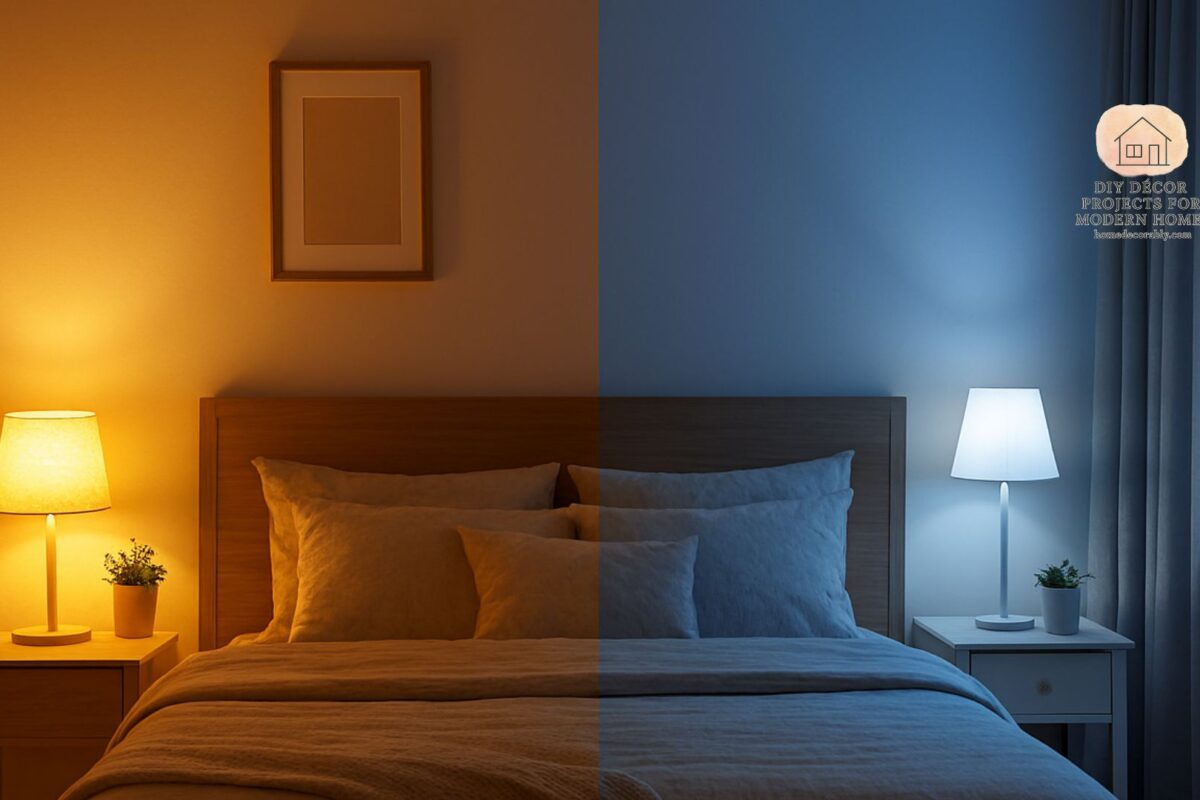
Understanding Warm vs Cool Bedroom Lighting
When it comes to creating the perfect sleep sanctuary, warm vs cool bedroom lighting plays a crucial role. The type of light you choose directly impacts your mood, sleep quality, and overall comfort. Warm lighting tends to create a cozy, relaxing atmosphere, while cool lighting promotes alertness and focus. By understanding the differences between these two lighting styles, you can transform your bedroom into a space that supports both rest and productivity.
Lighting is more than just brightness; it’s about color temperature, ambiance, and how your body responds to it. Warm light, often associated with sunset tones, encourages relaxation and signals your brain to wind down. Cool light, on the other hand, mimics daylight and keeps you energized. Choosing the right balance between warm and cool lighting can make your bedroom a true retreat.
The Science Behind Warm and Cool Light
Light is measured in Kelvin, and this scale determines whether a bulb emits warm or cool tones. Warm lighting typically falls between 2700K–3000K, producing a soft yellow or amber glow. Cool lighting ranges from 4000K–6500K, creating a crisp white or bluish tone. These differences affect circadian rhythms, influencing how easily you fall asleep or stay awake.
Studies show that warm light helps your body produce melatonin, the hormone responsible for sleep. Cool light, however, suppresses melatonin and keeps you alert. This is why warm lighting is ideal for bedrooms, while cool lighting works better in offices or study areas.
Warm Bedroom Lighting for Relaxation
Warm lighting creates a soothing environment that encourages relaxation. It mimics the natural glow of sunset, signaling to your body that it’s time to rest. Bedrooms with warm lighting often feel more inviting, making it easier to unwind after a long day.
Additionally, warm light enhances the aesthetic appeal of your bedroom. It complements earthy tones, wooden furniture, and soft textiles, creating a cozy and intimate atmosphere. If your goal is to design a sleep-friendly space, warm lighting should be your go-to choice.
Cool Bedroom Lighting for Focus and Energy
Cool lighting, on the other hand, is perfect for tasks that require concentration. It resembles daylight, which naturally boosts alertness and productivity. In bedrooms, cool lighting can be useful for reading, studying, or getting ready in the morning.
However, using cool lighting before bedtime may interfere with sleep. The bluish tones trick your brain into thinking it’s still daytime, delaying melatonin production. Therefore, cool lighting should be used strategically in bedrooms, ideally paired with warm lighting for balance.
Choosing Between Warm vs Cool Bedroom Lighting
The decision between warm vs cool bedroom lighting depends on your lifestyle and preferences. If you prioritize relaxation and sleep quality, warm lighting is the better option. If you need a multifunctional space that supports both rest and productivity, a combination of warm and cool lighting may be ideal.
Layered lighting solutions, such as dimmable bulbs or smart lighting systems, allow you to switch between warm and cool tones depending on the time of day. This flexibility ensures your bedroom remains both functional and restful.
The Role of Smart Lighting in Bedrooms
Smart lighting technology has revolutionized how we use light in our homes. With smart bulbs, you can adjust color temperature, brightness, and even set schedules. This means you can enjoy warm lighting in the evening and switch to cool lighting in the morning with ease.
Smart lighting also integrates with voice assistants, making it convenient to control your bedroom ambiance. By automating your lighting, you can create a routine that supports healthy sleep patterns and enhances your overall well-being.
Interior Design Tips with Warm and Cool Lighting
Lighting is a key element in interior design, and choosing between warm and cool tones can dramatically change the look of your bedroom. Warm lighting pairs beautifully with rustic, bohemian, or minimalist styles, while cool lighting complements modern and contemporary designs.
To achieve balance, consider layering different light sources. Use warm bedside lamps for relaxation and cool overhead lights for tasks. This approach ensures your bedroom remains versatile and visually appealing.
Health Benefits of Warm Bedroom Lighting
Warm lighting not only improves sleep but also reduces stress. Its calming effect helps lower heart rate and blood pressure, preparing your body for rest. People who use warm lighting in their bedrooms often report better sleep quality and improved mood.
Moreover, warm lighting reduces eye strain compared to harsh cool lighting. This makes it ideal for evening activities like reading or watching TV before bed. By prioritizing warm lighting, you create a healthier sleep environment.
Common Mistakes When Choosing Bedroom Lighting
One common mistake is relying solely on cool lighting in bedrooms. While it may look bright and modern, it can disrupt sleep and create a sterile atmosphere. Another mistake is ignoring layered lighting, which limits flexibility and functionality.
To avoid these pitfalls, always consider the purpose of your bedroom. If it’s primarily a place for rest, warm lighting should dominate. If it doubles as a workspace, incorporate cool lighting strategically without sacrificing relaxation.
Practical Tips for Transforming Your Sleep Sanctuary
Transforming your bedroom with the right lighting doesn’t have to be complicated. Start by replacing harsh bulbs with warm-toned options. Add dimmable lamps to create adjustable ambiance. Consider smart lighting systems for ultimate control.
Finally, pay attention to placement. Position warm lights near the bed for relaxation and cool lights near mirrors or desks for functionality. This thoughtful approach ensures your bedroom supports both rest and productivity.
Conclusion
Warm vs cool bedroom lighting is more than a design choice it’s a lifestyle decision that affects your health, mood, and sleep quality. Warm lighting fosters relaxation and better sleep, while cool lighting enhances focus and energy. By combining both strategically, you can create a versatile bedroom that truly transforms into a sleep sanctuary.
FAQs
1. What is the best lighting for sleep? Warm lighting is best for sleep because it promotes melatonin production and relaxation.
2. Can I use cool lighting in my bedroom? Yes, but use it strategically for tasks like reading or getting ready, not before bedtime.
3. How does smart lighting help with bedroom ambiance? Smart lighting allows you to adjust color temperature and brightness, creating a flexible sleep-friendly environment.
4. Does warm lighting reduce eye strain? Yes, warm lighting is gentler on the eyes, making it ideal for evening activities.
5. Should I mix warm and cool lighting in my bedroom? Mixing both provides versatility, ensuring your bedroom supports relaxation and productivity.