
 Laura de Santiago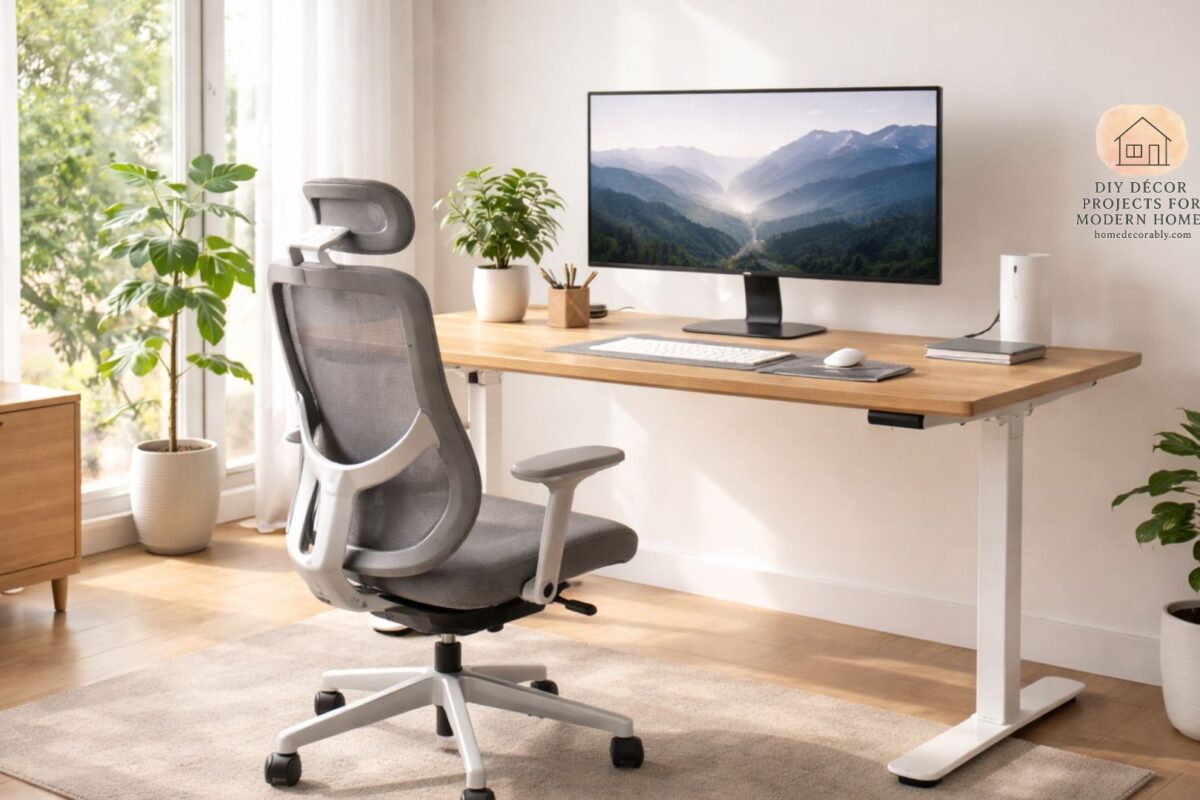
Understanding the Basics: What Is an Ergonomic Desk?
When people ask what is an ergonomic desk, they are really asking about a workspace designed to support comfort, posture, and productivity. Ergonomic desks are built to reduce strain on the body, allowing workers to maintain a natural position while typing, writing, or using a computer. Unlike traditional desks, ergonomic desks often include adjustable features such as height settings, keyboard trays, and monitor stands.
The purpose of these desks is not only to improve physical health but also to enhance efficiency. By aligning your body correctly, ergonomic furniture minimizes fatigue and helps prevent long-term issues like back pain, neck stiffness, and repetitive strain injuries.
Why Ergonomic Furniture Matters in Modern Workspaces
In today’s fast-paced world, many professionals spend hours at their desks. Without proper support, this lifestyle can lead to chronic discomfort. Ergonomic desks, along with ergonomic chairs, are designed to counteract these problems. They encourage movement, proper alignment, and healthier work habits.
Moreover, companies are increasingly investing in ergonomic setups because they recognize the link between employee well-being and productivity. A comfortable employee is more focused, less distracted by pain, and ultimately more effective.
The Evolution of Ergonomic Desk Designs
The concept of ergonomics dates back to the mid-20th century, but ergonomic desks have gained popularity in recent decades. Initially, they were simple adjustable tables. Today, they include advanced features like sit-stand mechanisms, cable management systems, and even smart technology integration.
This evolution reflects the growing awareness of workplace health. As remote work becomes more common, individuals are also seeking ergonomic solutions for home offices.
Key Features That Define Ergonomic Desks
An ergonomic desk is not just about aesthetics; it’s about functionality. Common features include adjustable height, spacious surfaces, rounded edges, and compatibility with ergonomic accessories. Sit-stand desks, for example, allow users to alternate between sitting and standing, reducing sedentary time.
Other features may include built-in monitor arms, keyboard trays, and storage solutions that keep essentials within easy reach. These elements collectively create a workspace that adapts to the user, rather than forcing the user to adapt to the desk.
Benefits of Using an Ergonomic Desk Daily
The benefits of ergonomic desks extend beyond physical health. They improve posture, reduce muscle strain, and enhance circulation. Over time, these advantages translate into fewer sick days and greater productivity.
Additionally, ergonomic desks contribute to mental well-being. A clutter-free, comfortable workspace reduces stress and promotes focus. Employees often report feeling more energized and motivated when working at ergonomic setups.
Do You Really Need an Ergonomic Desk?
The question do you need an ergonomic desk depends on your lifestyle and work habits. If you spend more than a few hours daily at a desk, the answer is almost always yes. Ergonomic desks are not luxury items; they are investments in health and efficiency.
Even students, freelancers, and gamers benefit from ergonomic setups. Anyone who spends prolonged periods at a desk can experience improved comfort and performance with the right furniture.
Comparing Ergonomic Desks to Traditional Workstations
Traditional desks often prioritize design over function. They may look stylish but fail to support proper posture. Ergonomic desks, on the other hand, prioritize health. They are designed with the human body in mind, ensuring that users can work comfortably for extended periods.
This distinction makes ergonomic desks superior for long-term use. While traditional desks may suffice for occasional tasks, ergonomic desks are essential for daily work.
Choosing the Right Ergonomic Desk for Your Needs
Selecting the right ergonomic desk involves considering your specific requirements. Do you need a sit-stand desk? Are you looking for compact solutions for a small home office? Do you require advanced features like monitor arms or cable management?
By identifying your needs, you can choose a desk that enhances your workspace. It’s also important to pair your desk with ergonomic accessories, such as chairs, keyboards, and lighting, to maximize benefits.
Common Mistakes to Avoid When Setting Up Ergonomic Desks
Many people invest in ergonomic desks but fail to use them correctly. Common mistakes include setting the desk height too low, ignoring monitor placement, or neglecting to adjust chairs. These errors can negate the benefits of ergonomic furniture.
To avoid these pitfalls, follow ergonomic guidelines. Ensure your elbows are at a 90-degree angle when typing, your monitor is at eye level, and your feet rest flat on the floor.
Future Trends in Ergonomic Desk Technology
The future of ergonomic desks looks promising. Smart desks with sensors that remind users to change positions are already entering the market. Integration with health apps and wearable devices will further enhance their functionality.
As technology advances, ergonomic desks will continue to evolve, offering even greater support for health and productivity.
Conclusion
In summary, understanding what is an ergonomic desk is crucial for anyone who spends significant time working at a desk. These desks are designed to promote comfort, health, and efficiency. By investing in ergonomic furniture, you not only protect your body but also enhance your productivity and mental well-being. Whether you work in an office or from home, an ergonomic desk is a smart choice for a healthier, more effective lifestyle.
FAQs
1. What is an ergonomic desk and how does it differ from a regular desk? An ergonomic desk is designed to support posture and comfort, unlike regular desks that prioritize style over function.
2. Do ergonomic desks really improve productivity? Yes, they reduce physical discomfort, allowing users to focus better and work more efficiently.
3. Are sit-stand desks considered ergonomic? Absolutely. Sit-stand desks are a popular ergonomic option that encourages movement and reduces sedentary time.
4. Can students benefit from ergonomic desks? Yes, students who spend long hours studying or using computers can improve posture and concentration with ergonomic setups.
5. Are ergonomic desks worth the investment? Yes, they prevent long-term health issues and enhance daily comfort, making them a valuable investment.