
 Laura de Santiago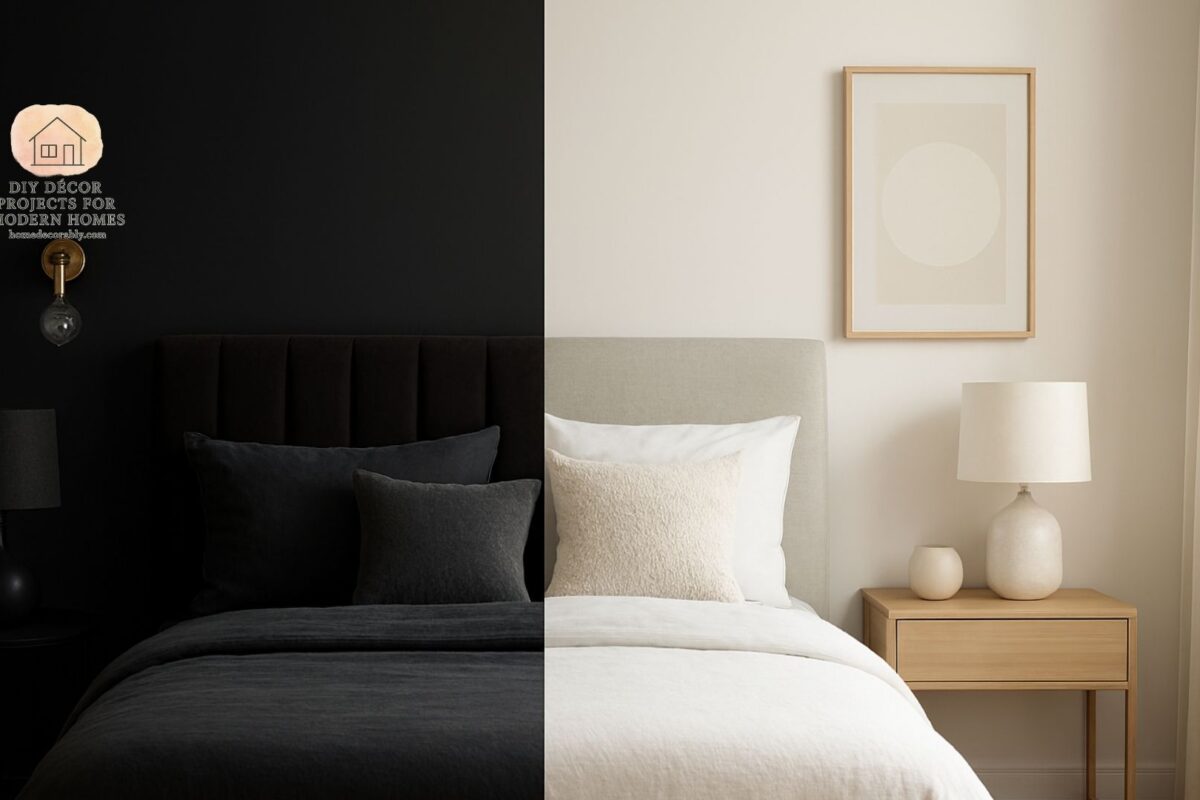
Understanding Dark vs Light Bedroom Colors in Interior Design
The Power of First Impressions in Bedroom Decor
When it comes to bedroom design, the choice between dark vs light bedroom colors immediately sets the tone for the entire space. Dark shades often create a cozy, intimate atmosphere, while lighter hues open up the room, making it feel airy and spacious. This decision impacts not only aesthetics but also mood, energy, and even sleep quality.
Choosing the right palette requires balancing personal preference with practical considerations. While dark tones like navy, charcoal, and forest green bring depth and sophistication, light shades such as ivory, beige, and soft pastels enhance brightness and tranquility. Understanding these contrasts helps homeowners create a bedroom that reflects both style and comfort.
Mood and Psychology Behind Bedroom Color Choices
Colors influence emotions, and bedrooms are deeply personal spaces where mood matters most. Dark colors can evoke feelings of warmth, security, and intimacy, making them ideal for those who crave a cocoon-like retreat. On the other hand, light colors promote relaxation, clarity, and openness, perfect for individuals who prefer a fresh and uplifting environment.
Psychologists often highlight how darker tones encourage restfulness, while lighter palettes stimulate positivity and energy. Therefore, the choice between dark vs light bedroom colors is not just about design it’s about aligning your environment with your lifestyle and emotional needs.
Dark Bedroom Colors: Elegance and Drama
Dark bedroom colors bring a sense of luxury and sophistication. Deep hues like midnight blue or charcoal gray can transform a simple room into a dramatic sanctuary. These shades pair beautifully with metallic accents, rich textures, and layered lighting, creating a high-end look.
However, dark tones require careful planning. Without proper lighting, they can make a room feel smaller or overly enclosed. To balance this, designers often recommend incorporating mirrors, layered lamps, or natural light sources to prevent the space from feeling heavy.
Light Bedroom Colors: Brightness and Serenity
Light bedroom colors, such as soft whites, creams, and muted pastels, are timeless choices that never go out of style. They reflect natural light, making small bedrooms appear larger and more inviting. These shades also serve as versatile backdrops, allowing homeowners to experiment with bold furniture or accent pieces.
Moreover, light colors enhance a sense of cleanliness and calm. They are particularly effective in minimalist or Scandinavian-inspired designs, where simplicity and functionality take center stage. For those who value serenity and openness, light tones are the perfect solution.
Balancing Dark vs Light Bedroom Colors in One Space
Many homeowners struggle to choose between dark and light palettes. Fortunately, blending both can create harmony. For example, pairing a dark accent wall with light bedding or furniture balances drama with freshness. This approach allows flexibility, ensuring the room feels dynamic without overwhelming the senses.
Designers often recommend using the 60-30-10 rule: 60% dominant color, 30% secondary shade, and 10% accent. This formula ensures proportional balance, whether you lean toward darker or lighter tones.
Furniture and Accessories That Complement Color Choices
Furniture plays a crucial role in enhancing bedroom palettes. Dark wood pieces pair seamlessly with deep hues, adding richness and continuity. Meanwhile, light-colored furniture, such as whitewashed dressers or pale oak nightstands, complements airy tones and maintains brightness.
Accessories like rugs, curtains, and throw pillows also help bridge the gap between dark vs light bedroom colors. For instance, a bold patterned rug can anchor a light room, while pastel cushions soften a darker space.
Lighting Strategies for Dark and Light Bedrooms
Lighting is essential when working with contrasting palettes. In dark bedrooms, layered lighting such as wall sconces, pendant lamps, and dimmable bulbs prevents the space from feeling too enclosed. Warm-toned lights enhance coziness, while cooler tones highlight sophistication.
In light bedrooms, natural light is the star. Sheer curtains, skylights, or strategically placed mirrors amplify brightness. Artificial lighting should remain subtle, ensuring the room maintains its airy and tranquil vibe.
Popular Styles Using Dark vs Light Bedroom Colors
Different design styles naturally lean toward specific palettes. Modern and industrial bedrooms often embrace darker tones, emphasizing sleek lines and bold contrasts. In contrast, coastal, farmhouse, and Scandinavian designs favor lighter hues, highlighting simplicity and natural elements.
Nevertheless, eclectic styles thrive on mixing both. A bohemian bedroom, for example, may combine deep jewel tones with soft neutrals, creating a layered and vibrant atmosphere.
Practical Tips for Choosing Between Dark and Light Palettes
When deciding between dark vs light bedroom colors, consider practical factors such as room size, natural light availability, and personal lifestyle. Small rooms benefit from lighter shades, while larger spaces can handle darker tones without feeling cramped.
Additionally, think about maintenance. Dark walls may show dust or scratches more easily, while light walls can highlight stains. Choosing durable finishes and washable paints ensures longevity regardless of the palette.
Final Thoughts on Bedroom Color Decisions
Ultimately, the choice between dark and light bedroom colors comes down to personal preference and lifestyle. Dark tones offer intimacy and elegance, while light shades provide openness and serenity. By blending both strategically, homeowners can achieve a balanced and timeless design.
Whether you prefer the dramatic allure of deep hues or the calming brightness of soft tones, your bedroom should reflect your personality and comfort. With thoughtful planning, the perfect palette can transform your space into a sanctuary of rest and style.