
 Laura de Santiago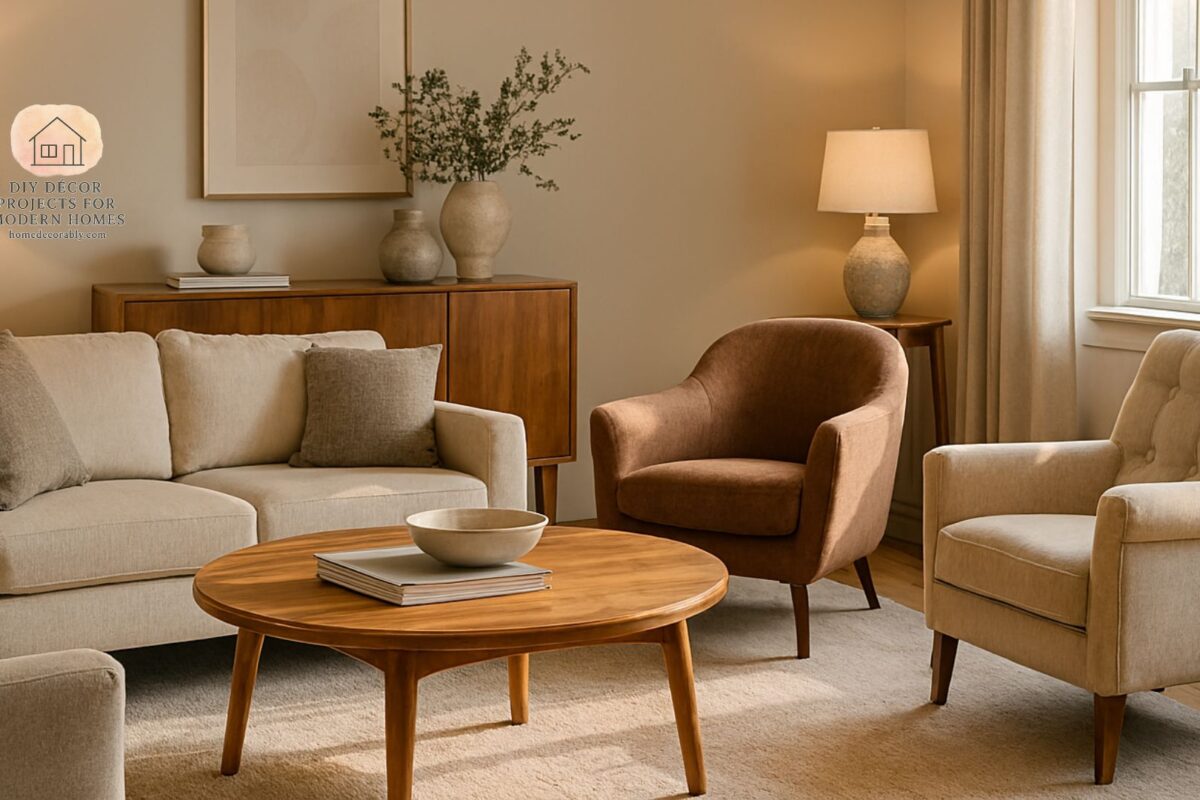
Living Room Layout Tips for Conversation: Why They Shape Connection
When it comes to designing a home, the most overlooked detail is often how the living room layout influences interaction. That’s why applying living room layout tips for conversation is so important. The way we arrange sofas, chairs, tables, and lighting directly impacts how easily people connect, laugh, and share stories. A poorly designed setup can make conversations feel forced or awkward, while a clever arrangement transforms the room into a hub of storytelling and endless dialogue. Think of your living room as a stage every chair, lamp, and rug is a prop that sets the mood for the performance of human connection.
Hack 1: The Face-to-Face Triangle
One of the simplest yet most effective tricks is arranging seating in a triangular formation. Imagine a sofa facing an armchair, with a bench or loveseat angled at 45 degrees. This setup naturally encourages eye contact and prevents anyone from feeling left out. Unlike a straight line of chairs, the triangle creates intimacy without crowding.
Execution Tips
- Place a coffee table in the center to anchor the triangle.
- Keep pathways clear so guests don’t feel trapped.
- Use throw pillows to soften the look and invite people to lean in.
Hack 2: Create Two Conversation Zones
Large living rooms often feel overwhelming. Instead of one giant seating area, divide the space into two smaller clusters. Each cluster becomes its own “island” of conversation, allowing guests to choose where they feel most comfortable. It’s like hosting two mini-parties in one room.
Execution Tips
- Use rugs to define each zone.
- Add a small side table with drinks or snacks to encourage lingering.
- Keep lighting balanced so neither area feels neglected.
Hack 3: Ditch the TV Throne
Let’s be honest: when the TV dominates the room, conversations die quickly. People stare at the screen instead of each other. By moving the TV off-center or mounting it discreetly, you shift the focus back to human interaction. The living room becomes a place for dialogue, not just Netflix binges.
Hack 4: Use a Round Coffee Table
Rectangular tables often create invisible barriers people sit at corners and avoid leaning in. A round coffee table eliminates those sharp edges, symbolizing equality and openness. It’s easier to share snacks, pass drinks, and maintain eye contact.
Hack 5: Layer Lighting for Mood
Lighting is the unsung hero of conversation. Harsh overhead lights can make people feel exposed, while warm, layered lighting invites intimacy. Combine ceiling lights with floor lamps and candles to create a cozy glow. Think of it as painting the room with warmth.
Execution Tips
- Use dimmable bulbs for flexibility.
- Place lamps at varying heights to avoid flat lighting.
- Add fairy lights or lanterns for a playful touch.
Hack 6: Add a Conversation Starter Wall
Every gathering needs an icebreaker. A gallery wall, bold wallpaper, or quirky shelf can spark curiosity. Guests naturally comment on art, books, or unusual décor, giving conversations an easy starting point. It’s like planting seeds for dialogue.
Hack 7: Flexible Seating for Flow
Not every guest wants to sit on a sofa. Poufs, stools, and folding chairs provide options and keep the energy dynamic. Flexible seating allows people to move around, join different groups, and keep conversations fresh.
Hack 8: Anchor with Rugs
Rugs aren’t just decorative they define zones. A rug under a seating cluster signals, “This is where we gather.” It makes the space feel intentional and cozy, guiding people toward connection.
Hack 9: Position Seating at 3–6 Feet Apart
Distance matters. Too close feels invasive; too far kills intimacy. The sweet spot is between three and six feet. This range allows comfortable eye contact and natural conversation without shouting or whispering.
Hack 10: Incorporate a Shared Activity
Sometimes conversation needs a little push. A board game table, record player, or communal puzzle gives guests something to do together. Shared activities create shared stories, and those stories fuel endless conversations.
The Psychology Behind Living Room Layout Tips for Conversation
Why do these hacks work so well? Because humans are naturally wired for connection. Eye contact, shared tasks, and cozy environments trigger oxytocin the “bonding hormone” that strengthens social bonds. When we apply living room layout tips for conversation, we’re not just arranging furniture; we’re intentionally shaping the psychology of interaction. A well-designed living room encourages openness, laughter, and storytelling, while a poorly arranged one can make dialogue feel forced. In essence, these layout strategies are more than design choices they are tools for engineering human connection and creating spaces where conversations flow effortlessly.
Quick Checklist Before Guests Arrive
- Clear clutter from sightlines.
- Set ambient music at a low volume.
- Arrange seating to favor face-to-face angles.
- Place refreshments within easy reach.
- Adjust lighting for warmth and comfort.
Common Pitfalls to Avoid
- Overcrowding with too much furniture.
- Blocking pathways with bulky items.
- Relying solely on the TV for entertainment.
- Ignoring lighting and acoustics.
Conclusion
A living room isn’t just a physical space it’s an emotional one. By applying these ten genius layout hacks, we can transform any room into a conversation engine. Whether it’s a cozy family night or a lively gathering of friends, the right setup ensures that stories flow, laughter echoes, and connections deepen. Remember: furniture placement is more than design it’s the architecture of human interaction.
FAQs
- How much space do I need to create a conversation area? Aim for at least 8–10 square feet per person in a cozy cluster.
- Can small rooms still host conversations? Absolutely. Use compact seating, a round table, and vertical décor to maximize intimacy.
- What seating is best for mixed-age groups? Mix firm chairs with softer sofas and include stable armchairs for older guests.
- How do we keep conversations from stalling? Provide visual prompts (art, books) and shared activities to spark topics.
- Is it okay to keep the TV visible? Yes, but avoid making it the central focal point during social gatherings.