
 Laura de Santiago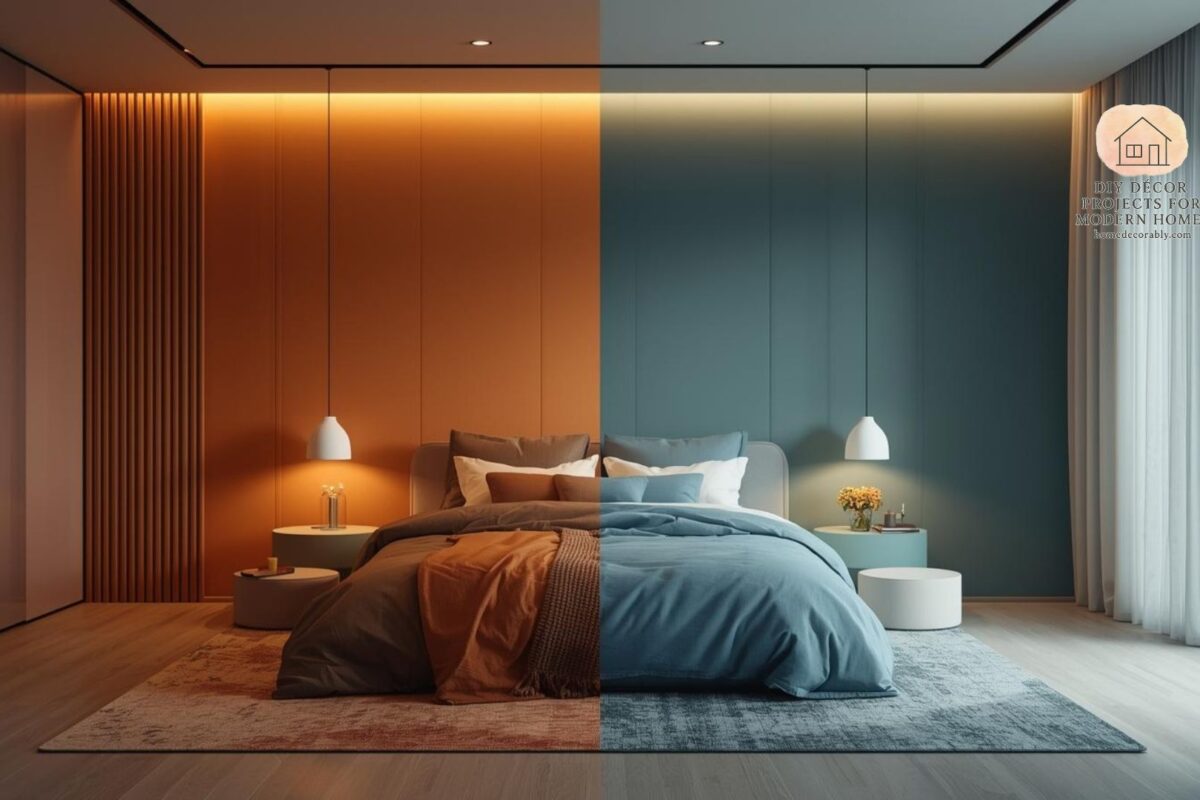
Why Colors Matter in Your Bedroom
When it comes to designing your personal sanctuary, warm vs cool bedroom colors play a huge role in shaping the atmosphere. These color choices don’t just decorate your walls they influence your mood, your sleep quality, and even how your personality shines through in your space. By understanding the difference between warm and cool tones, you can create a bedroom that feels perfectly aligned with who you are.
Understanding Warm Colors
Warm colors include shades like red, orange, and yellow. They remind us of sunshine, fire, and cozy evenings. These tones often feel inviting, energetic, and passionate.
Psychological Impact of Warm Colors
- Boost energy and motivation
- Create intimacy and warmth
- Stimulate conversation and creativity
Understanding Cool Colors
Cool colors include blue, green, and purple. They evoke water, sky, and nature. These tones often feel calming, refreshing, and peaceful.
Psychological Impact of Cool Colors
- Reduce stress and anxiety
- Encourage relaxation and focus
- Promote better sleep quality
Warm vs Cool Bedroom Colors: The Personality Connection
When we talk about warm vs cool bedroom colors, it’s almost like comparing extroverts and introverts. Warm tones often suit people who thrive on energy, passion, and social interaction, while cool tones are perfect for those who value calmness, balance, and quiet reflection. Choosing between warm and cool shades isn’t just about design it’s about finding colors that mirror your personality and create the right mood in your bedroom.
Warm Bedroom Colors: Who Are They For?
Warm tones are perfect if you:
- Love vibrant social gatherings
- Enjoy bold statements in design
- Want your bedroom to feel cozy and welcoming
Cool Bedroom Colors: Who Are They For?
Cool tones are ideal if you:
- Prefer quiet evenings with a book
- Value serenity and balance
- Want your bedroom to feel like a retreat from chaos
Mixing Warm and Cool Colors
Why choose one when you can blend both? A warm accent wall with cool bedding can balance energy and calmness. It’s like having coffee in the morning and tea at night each serves a purpose.
Color Psychology in Sleep
Studies show that cool colors, especially blue, help lower heart rate and blood pressure, making sleep easier. Warm colors, while cozy, can sometimes overstimulate if used too boldly.
Design Tips for Warm Bedrooms
- Use earthy tones like terracotta or mustard
- Add wooden furniture for natural warmth
- Layer with soft lighting to enhance coziness
Design Tips for Cool Bedrooms
- Choose shades of blue or sage green
- Add minimalist furniture for a clean look
- Use natural fabrics like linen for a refreshing vibe
Common Mistakes to Avoid
- Overloading with one color family balance is key
- Ignoring natural light colors look different in daylight vs. artificial light
- Forgetting personality your bedroom should reflect you, not just trends
Warm vs Cool: Which One Matches You?
Ask yourself: do you want your bedroom to energize you or calm you down? If you crave excitement, go warm. If you seek peace, go cool. And if you want both, mix them strategically.
Conclusion
Your bedroom colors are more than paint they’re a mirror of your personality. Warm tones ignite passion and energy, while cool tones soothe and restore. The best choice depends on who you are and how you want to feel in your personal space.
FAQs
1. Can I combine warm and cool colors in one bedroom? Yes, blending them creates balance and prevents monotony.
2. Do warm colors make a room look smaller? Often, yes. Warm tones can feel more enclosed, while cool tones open up space.
3. Which color is best for better sleep? Cool shades like blue or green are scientifically linked to improved sleep quality.
4. Are warm colors outdated in modern design? Not at all. Warm tones are timeless when paired with neutral accents.
5. How do I know which color suits me best? Reflect on your lifestyle if you’re energetic, warm colors fit; if you’re calm, cool colors suit.